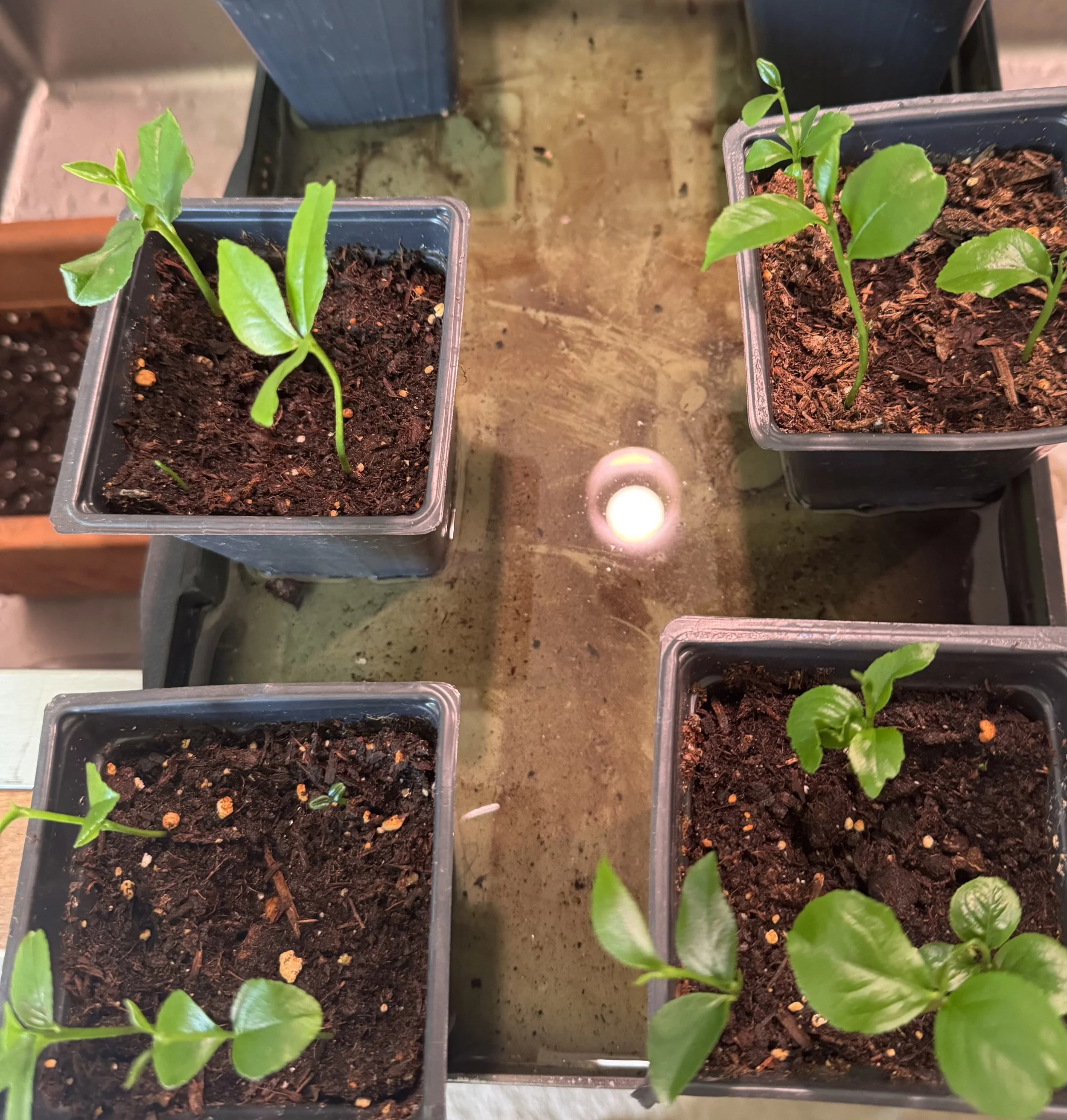
March 1st, the beginning of SPRING!
It’s March 1st, for us, the start of spring, and in preparation for planting season, a few weeks ago, I planted Lemon seeds. The attached picture is where we are now, up a few inches and as green as a plant can seem, and still growing.
In preparation for the upcoming sales year, I want to give a heads-up as to where we will be this year. As always, we are at the Versailles MO Open Air market every Saturday, there is a good possibility that we may also be at the Jefferson City Market this year also, but plans have not been finalized for that as of yet. Some products are available online-I will be linking the Aloha Habitat Shop page in the next blog post. Items available for shipping through the Shop will be: Plumeria Cuttings, a limited number of Lemon Tree starts, herbs and spice plants, and other tropical items as they become available. Items available at the open-air market will be Garden Starts- Tomatoes, peppers, cucumbers, more will be added as the spring goes forward. Keep a watch on the shop when it comes online as there may also be other items available, such as t-shirts, gardening bags, planting mats etc.
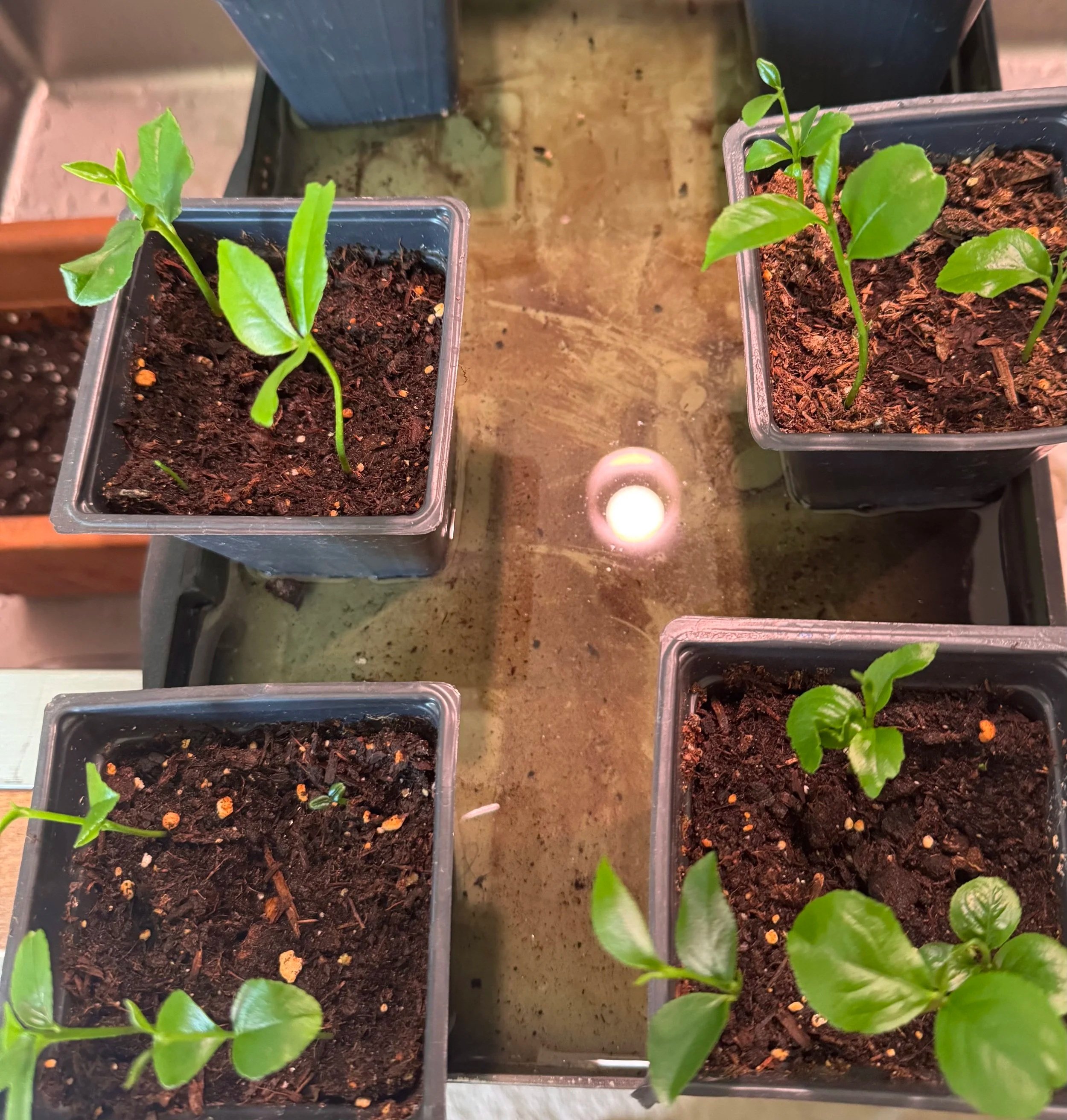
Are You Ready for Spring?
We certainly are, ready for warm spring rains, and sunshiny afternoons, and warmth. We all know it-Winter Sucks! Even when you have your own personal jungle in the house, you still long for warm afternoons outside, and blooms and the scent of growing grass. We will kickoff in March of 2026, see you then. In the meantime, reach out and contact us so we can get you on the mailing list for upcoming sales, events, and all sorts of goodies.

Greenhouse
February 1st,2026
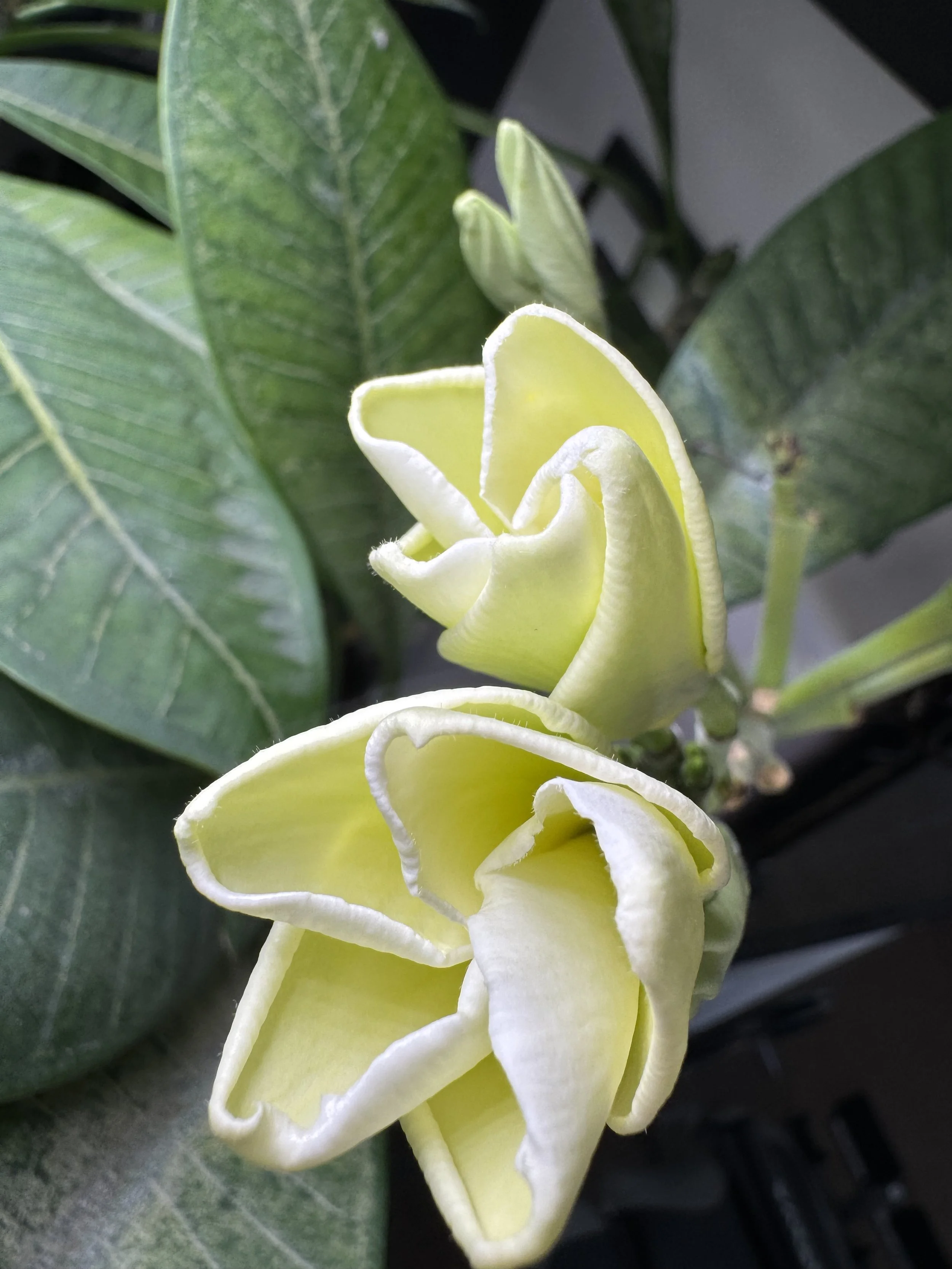
Celadine Plumeria beginning its spring bloom season
Well, it’s February 1st, 2026. While the rest of the world is lamenting the loss of summer, those of us who love plants, or have an indoor jungle, and possibly garden, may have already immersed ourselves in thoughts of spring, or are relishing the vibrant greens of our houseplants. I know I am, as I marvel at the resilience of tropical plants wintering inside my home. Including my Plumeria Tree. I took the picture above today. My 7-foot-tall plumeria tree has not only put on seed pods, but is starting an unexpected blooming cycle, inflows(floral spears) from the previous summer that still linger on the plant are developing and opening flowers, and soon my entire home will smell of the floral scents I always associate with Hawaii. This particular tree is about 3 years old, she resides in a 25-gallonblack plastic pot that led a previous life as a cattle mineral bucket( you don't really need glamorous pots). Plants will grow anywhere.
With the setting of seed pods and flowers, I always make sure to lightly fertilize when watering. Since the tree is putting out extra effort, I watered a bit more than normal (which is about 1 gallon every two weeks), and I added the water from a steeped banana peel. The water provides nutrients and nitrogen to the tree, helping it replenish its reserves. As the tree puts on more and more flowers, I will add more fertilizer in the form of a liquid seaweed, and fish paste fertilizer that gets mixed with the regular 3 gallons of water she will get. I ensure that she does not stand in water by elevating her pots’ drainage holes above the ground with 2 or 3 bricks. This allows the pot to drain out the excess water and prevents root rot. Remember, Plumerias are island plants, and live in rocky, sandy soil that drains exceedingly well, so no standing water.
I recently sprayed all of my plants with neem oil as I noticed some spider mite webs. This happens when you bring plants in and out of the house, so be prepared. If you don’t have neem and a spray bottle on hand, you can always use a bottle of dish soap diluted in water. It softens the shells of the mites, and they die. I happened to have diluted neem already in the bottle, so I used it.
The flowers you see in the picture above are not fully open and still retain their yellow-green tint. As they open fully, they will lose that tint and become white with yellow centers, which is the flower color of Celadine Plumerias. Each variety has its own color, and some have been bred that way, while others come to their color naturally due to the variety. Celadine Plumerias are the most common variety, and the color is natural, not bred. Celadine Plumeria are seen often planted around resorts, and in yards, being the least expensive and most common for of plumeria.
Have a Great Day, and enjoy your plants!
We will have videos coming to our you tube channel soon, and you can also find us on Pinterest and Facebook at Aloha Habitat.

It’s Winter, But You’re Ready For Spring.
While most people are snuggled under blankets, sipping hot cocoa, and looking out the window at the falling snow. A lot of us are looking at last year’s seed catalogs, watering the house plants, and hoping for a stray bloom here and there. We are also hoping the electricity doesn’t go off and kill all of our plants.
If you're new to the idea of bringing the tropics inside your home, you may be wondering where to learn about how to grow, plant, fertilize, and keep alive the plants inside your own habitat. Well, you’ve come to the right place. You CAN grow plants indoors in the winter with very little effort.
Starting simple is your best course. If you are just beginning to create an Aloha Habitat in your home, one of the best house plants to start with is a Philodendron or Pothos. They require very little care, have a lush green vining appearance, do well in high and low moisture environments, and areas with low light and varying heat levels. Both plants greatly resemble each other, some with solid green leaves of varying shades, others with variegated leaves(green and a creamy white mixture). Both can be found in your local big box store, grocery store, or local greenhouse. They are cheap to purchase and can be planted in basic potting soil and a plastic pot. They require little fertilizer and almost no care. They can even be left without water for extended periods of time, and will perk right up if watered even sparingly.
Pothos and Philos are the ultimate beginner Aloha Habitat plants. Both plants tend to vine, and if you have a long vine, a pinched-off piece will grow roots and can be planted if dropped into a glass of water.
Both plants are easy to propagate (create more) and look great. These plants tend to extend long tendril vines as they reach for light. The long vines can be rewound around the pot and pushed into the dirt here and there in the pot to create a fuller look if desired. The limbs will root and fill in empty spaces in the pot. Or, if you desire a more wild look, you can place the pots in a hanger, and allow the vines to trail toward the floor, and if you choose, create your own jungle.
Most pothos and Philodendron have been bred to be safe for pets, but I suggest taking no chances and keeping the vines and plants out of reach of little paws.
Next time you're out, find one of these plants that appeals to you and give it a try. Find a partially sunny spot, make sure the soil is moist down to about an inch from the top, and sit back and watch the beginning of your Aloha Habitat grow. Both of these plants even do well in bathrooms if there is at least one window from which they can get a bit of light. You can even hang them in the shower- the moisture is something they love, and they will require less watering less frequently, while making your bathroom seem like a tropical island.
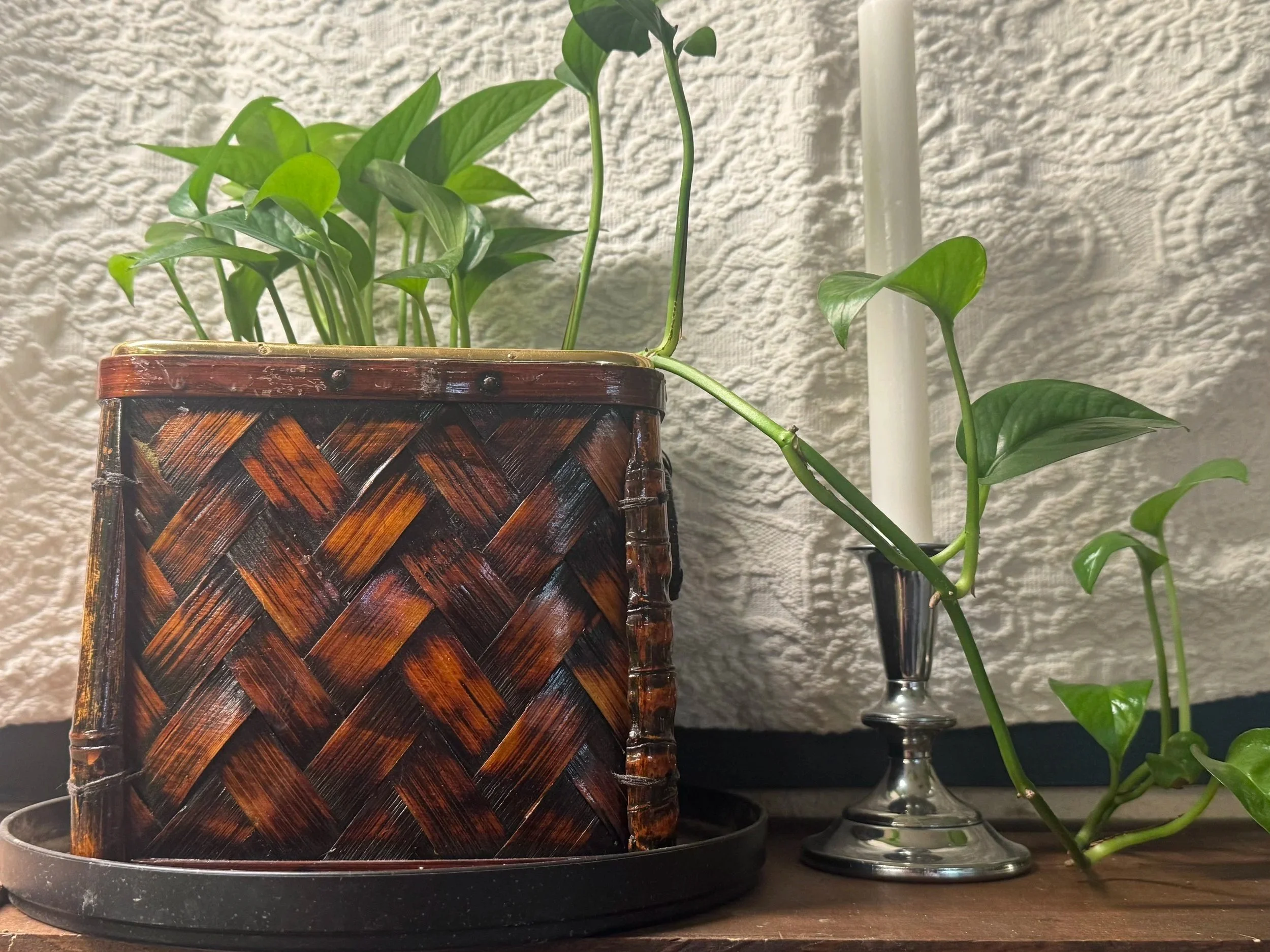
Philodendron
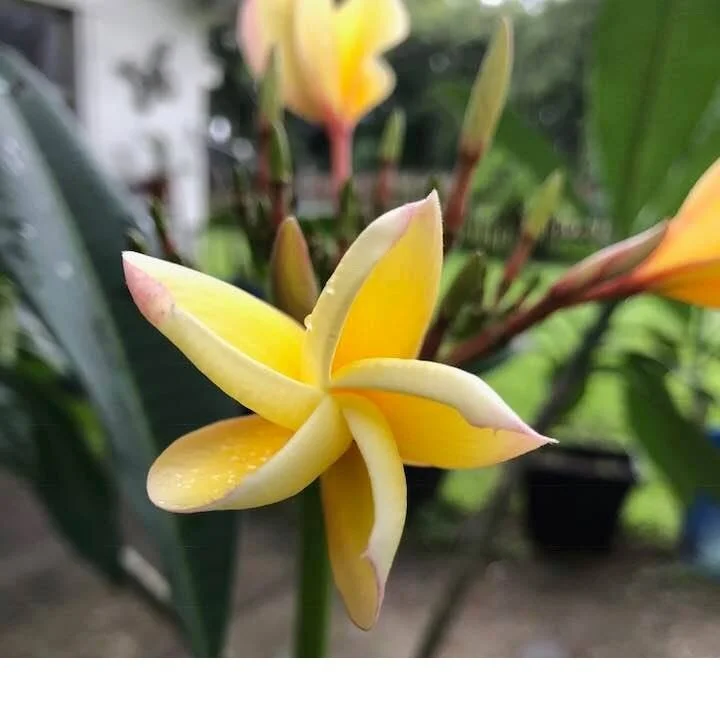
Bring the Islands Home: Plumeria
One of our favorite tropical plants is the Plumeria, or Frangipani. Commonly referred to as a plant, it is actually a tree. Blooming Plumerias can range in size from below 15 inches to several feet tall, with old-growth plumerias reaching 30 feet and more. Plumerias bring to mind Hawaii, for the flower leis that are often seen in videos of those islands, but plumerias are present on many islands and are a popular decorative addition to resorts. Plumerias, though fast growing when young, take many years to reach an unmanageable height. Plumerias can be grown inside or out, depending on conditions. They can be allowed to go dormant, stored in a cold (but not freezing) environment during winter, or brought in the house where they will retain their leaves, and often bloom mid-winter if exposed to sunlight or grow lights regularly. If you reside in a mild climate where winter temperatures do not get below 50 degrees F. at night, you can even leave them out all winter. Plumerias come in a variety of colors, scents, and types, so you can pick and choose what you like best.
Plumerias are easy to care for and grow well. If left without pruning, they can become a very large statement piece. If pruned regularly, Plumerias can be kept in a smaller and more bush-like form. Follow our YouTube channel for videos, or read our Blog here for information on where to acquire, the different varieties, and how to grow plumerias. We will be providing information on planting, starting, fertilization, and care of all things Plumeria. For a short history of Plumerias, see below.
History of Plumerias:
The genus Plumeria is named in honour of 17th-century French botanist and Catholic monk Charles Plumier, who traveled to the New World documenting plant and animal species. Plumeria is also used as a common name, especially in horticultural circles, and you will often hear the tree referred to as Frangipani. The name "frangipani" comes from a 16th-century marquis of the noble Frangipani family in Italy, who created a synthetic plumeria-like perfume. Common names for plants in the genus vary widely according to region, variety, and whim, but frangipani or variations on that theme are the most common. In Mesoamerica, plumerias have carried complex symbolic significance for over two millennia, examples from the Maya and Aztec periods into the present. Among the Maya, plumerias have been associated with deities representing life and fertility, and the flowers also became strongly connected with female sexuality. Nahuatl-speaking people used plumerias to signify elite status, and planted plumeria trees in the gardens of nobles. In several Pacific islands, where plumerias were introduced in the late 19th century, such as Tahiti, Fiji, Samoa, Hawaii, New Zealand, Tonga, and the Cook Islands, Plumeria species are used for making leis. In Hawaii, the flower is called melia. In modern Polynesian culture, the flower can be worn by women to indicate their relationship status—over the right ear if seeking a relationship, and over the left if taken.
Courtesy of wikipedia
Small Steps, Big Shifts
It All Begins Here
How Tropical Plants Can Turn Your Spaces Into a Personal Vacation Escape
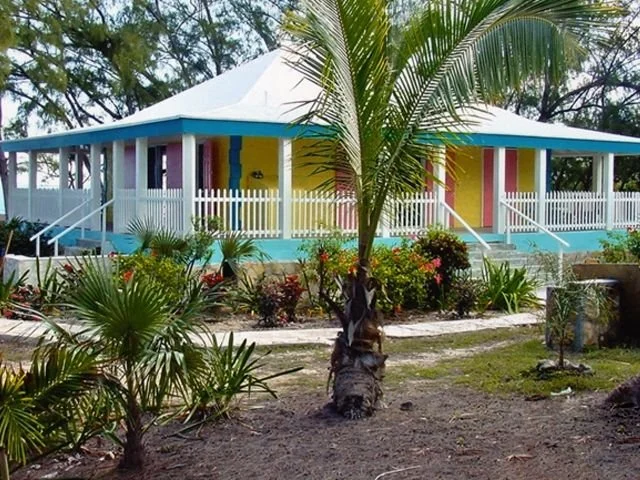
There’s something magical about stepping into a space filled with tropical plants. The air feels fresher. The colors seem richer. And suddenly, even if you’re miles from the nearest beach, you get that unmistakable sense of being on vacation. The good news is that you don’t need a plane ticket to enjoy that feeling every day. With the right plants, you can transform your home and outdoor areas into a lush, resort‑inspired retreat.
Tropical Plants Create Instant Vacation Vibes
Tropical plants have a way of engaging the senses. Their oversized leaves, bold textures, and vibrant colors evoke warm climates and relaxed living. They soften hard edges, add movement, and create a sense of abundance that feels worlds away from everyday routines.
A few reasons they work so well:
Large, dramatic foliage mimics the look of resort landscapes.
Natural humidity regulation makes indoor spaces feel fresher.
Vibrant greens and exotic shapes trigger that “escape” feeling.
Layered planting styles create depth and a sense of immersion.
Creating a Tropical Oasis Indoors
You don’t need a sunroom or greenhouse to bring the tropics inside. Many tropical plants thrive in typical household conditions.
Indoor Tropical Plants
Monstera deliciosa – Iconic split leaves and a laid‑back vibe.
Bird of Paradise – Architectural, bold, and capable of producing stunning blooms.
Philodendron varieties – Easygoing and lush.
Areca or Parlor Palm – Instantly transportive and great for corners.
Plumerias – Lush green leaves and fragrant flowers in a variety of colors.
Design Tips for an Indoor Getaway
Cluster plants in groups of three or five to mimic natural growth.
Mix heights and textures for a layered, jungle‑like effect.
Use woven baskets, ceramic pots, or natural wood to enhance the tropical aesthetic.
Add soft lighting — warm bulbs, lanterns, or string lights amplify the resort feel.
A Vacation That Never Ends
Creating a tropical environment at home isn’t just about aesthetics — it’s about cultivating a space that encourages relaxation, joy, and a sense of escape. With a few thoughtful plant choices, you can enjoy that vacation feeling every time you walk through your door.

What if you could…
It All Begins Here
Imagine this: You’ve just returned from a vacation so blissfully relaxing that the stress of everyday life feels like a distant memory. The soothing sound of waves gently lapping at your feet as you search for sea glass and shells becomes a cherished soundtrack that lingers in your mind long after you leave the beach. The warm ocean breeze filling your bungalow creates an ambiance so perfect that you wish you could bottle it up and take it home.
But then, reality strikes. It’s time to board the plane, and as you step back into your routine, the vibrant memories begin to fade. You walk through your front door, and it hits you: a part of your soul remains behind, basking in the sun and enveloped by the rhythmic dance of the tide. The tan you proudly flaunted slowly starts to fade, and before you know it, you’re back to the monotonous cycle of work, home, and sleep—a routine that leaves you longing for that warm escape.
But what if you didn’t have to let go? What if you could infuse your everyday life with the essence of those tropical days and the soothing energies of the islands? I’m not just talking about collecting a few shells; I mean something deeper. Imagine the sights, and scents of the tropics woven into your life, allowing you to hold onto that vacation feeling forever.
That feeling, that soothing mindset, is what Aloha Habitat is all about. We help you bring that essence into your home and outdoor spaces, so that coming home feels like stepping directly into a vacation.